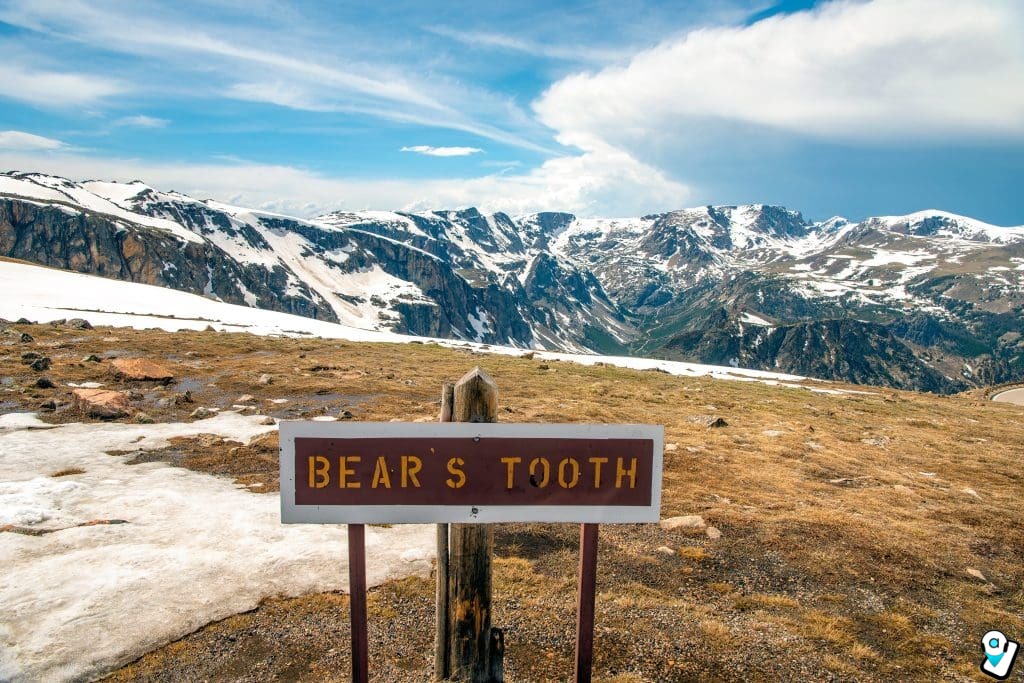
Beartooth Highway to the Sky: A Guide to Montana & Wyoming's Peaks
Prepare yourself for an unparalleled journey through some of America's most majestic landscapes. The Beartooth Highway, often celebrated as the "Highway to the Sky," is more than just a road; it's an experience. This remarkable stretch of U.S. Route 212, designated an All-American Highway, weaves its way through the rugged territories of Montana and Wyoming, presenting a spectacular entrance or exit point for adventurers heading to or from Yellowstone National Park. With its dramatic ascents, breathtaking vistas, and an ever-changing tapestry of nature, adding this 68-mile
Beartooth Highway: Your Stunning Scenic Gateway to Yellowstone to your itinerary is an absolute must. Imagine a drive where every turn reveals a postcard-perfect scene – from serene alpine lakes mirroring snow-capped peaks to thrilling mountain switchbacks that make you feel truly on top of the world.
What Makes the Beartooth Highway an Unforgettable Scenic Drive?
The sheer spectacle of the Beartooth Highway is what truly sets it apart. This isn't merely a drive; it's an immersive expedition into the heart of the Beartooth and Absaroka mountain ranges. As you navigate this engineering marvel, you'll climb to elevations exceeding 10,000 feet, culminating at the iconic Beartooth Pass. The landscape transforms before your eyes, transitioning from lush alpine forests to a stark, beautiful arctic tundra, a testament to the dramatic elevation changes.
Travelers are consistently mesmerized by the panoramic views that unfurl around every bend. Imagine crystal-clear alpine lakes, reflecting the dramatic contours of 12,000-foot peaks, many of which retain their snowy caps well into July. The road itself is an adventure, with its famous switchbacks and occasional sheer drop-offs demanding your attention while rewarding you with constant, awe-inspiring vistas. Beyond the geological grandeur, the Beartooth Highway is a haven for wildlife. Keep your eyes peeled for mountain goats expertly navigating rocky slopes, bighorn sheep, and even the occasional bear or moose in the lower elevations. It’s an ideal opportunity to witness the raw, untamed beauty of the American West up close, making it an unforgettable
Beartooth Highway: Your Stunning Scenic Gateway to Yellowstone.
Planning Your Beartooth Highway Adventure: Key Logistics
To truly savor every moment of your Beartooth Highway journey, a little planning goes a long way. This iconic
Beartooth Highway: Your Stunning Scenic Gateway to Yellowstone offers several connectivity options, depending on your broader travel plans.
Route & Connectivity
The Beartooth Highway stretches approximately 68-69 miles along U.S. Highway 212, connecting the charming Montana town of
Red Lodge in the east to
Cooke City, Montana, in the west. While it begins and ends in Montana, the highway gracefully weaves in and out of Wyoming, offering a diverse geographical experience. For those continuing their adventure, US Highway 212 leads directly to the northeast entrance of Yellowstone National Park just beyond Cooke City. Alternatively, before reaching Cooke City, you can turn left onto Wyoming Highway 296, which takes you onto the scenic Chief Joseph Scenic Byway, a breathtaking route that links to Cody, Wyoming.
When to Go: Seasonal Considerations
The Beartooth Highway operates seasonally, typically opening on the
Friday of Memorial Day weekend and closing around
October 15th, due to the extreme winter conditions and heavy snowfall at high elevations.
*
Summer (June-August): Widely considered the best time for a Beartooth Highway scenic drive. The weather is generally pleasant, and temperatures are comfortable. Driving in June or early July offers the unique spectacle of significant snowpack remaining at the highest elevations, creating a stunning contrast with the vibrant summer wildflowers. This timing also provides an excellent opportunity to acclimate to higher altitudes before embarking on hikes in Yellowstone or Grand Teton.
*
Fall (September-October): Offers a different kind of beauty, with aspen and larch trees painting the mountainsides in brilliant hues of gold and amber. However, fall can bring colder temperatures and an increased risk of early snow closures, so checking conditions is paramount.
Always check the official road status before you depart, especially if you're traveling close to the opening or closing dates, as weather can cause unexpected closures or delays.
Driving Time & Itinerary Integration
While the drive from Red Lodge to Cooke City can be completed in approximately
2 hours, this estimate doesn't account for the countless photo stops, short hikes, and moments of awe you'll inevitably take. To truly appreciate this scenic marvel, allow at least 3-4 hours for the highway itself.
If you're integrating the Beartooth Highway into a larger trip, especially as an entry point to Yellowstone from a regional airport, your total travel time will be longer. Here are some approximate drive times from popular starting points:
*
From Bozeman, Montana (via Beartooth Highway):
* To Red Lodge: 145 miles / 2.5 hours
* To Cooke City: 209 miles / 3.5 – 4 hours
* To Roosevelt Lodge (Yellowstone Northeast Entrance): 242 miles / 4.5 hours
* To Mammoth Hotel (Yellowstone North Entrance): 260 miles / 5 hours
* To Gardiner (Just North of Yellowstone North Entrance): 265 miles / 5 – 5.5 hours
*
From Billings, Montana (via Beartooth Highway):
* To Red Lodge: 62 miles / 1 – 1.5 hours
* To Cooke City: 127 miles / 2.5 hours
* To Roosevelt Lodge (Yellowstone Northeast Entrance): 159 miles / 3.5 hours
* To Mammoth Hotel (Yellowstone North Entrance): 177 miles / 4 hours
* To Gardiner (Just North of Yellowstone North Entrance): 182 miles / 4 hours
These times are for driving only, so remember to factor in additional time for enjoying the scenery and any planned activities.
Essential Tips for Your Beartooth Highway Scenic Drive
Embarking on a Beartooth Highway scenic drive is an adventure, and a little preparation ensures a smooth and enjoyable experience.
*
Fuel Up: Services are extremely limited along the highway. Start your drive from Red Lodge or Cooke City with a full tank of gas.
*
Pack Layers: Weather at high altitudes can change rapidly and dramatically. Even on a warm summer day, temperatures at Beartooth Pass can be significantly colder, and you might encounter rain or even snow. Bring layers of clothing, including a waterproof outer shell.
*
Stay Hydrated & Snacked: Carry plenty of water and snacks. High elevations can increase the risk of dehydration.
*
Acclimatize: If you're coming from sea level, take it easy the first day or two. The Beartooth Highway itself can help with acclimatization before strenuous hiking.
*
Camera Ready: This is one of the most photographed roads in America for a reason. Ensure your camera or phone is fully charged, and consider an extra battery.
*
Take Your Time: This isn't a race. There are numerous designated pull-offs and overlooks. Utilize them to safely stop, soak in the views, and take photographs.
*
Mind the Wildlife: If you spot wildlife, observe from a safe distance. Never approach or feed animals.
*
Road Conditions: Always check the most current road and weather conditions before heading out, especially during the shoulder seasons.
*
Cell Service: Expect intermittent to non-existent cell service along much of the highway. Don't rely on your phone for navigation or emergencies.
For more detailed planning insights, including tips on wildlife viewing and the best times for specific views, consult our comprehensive guide:
Planning Your Beartooth Highway Drive: Views, Wildlife & When to Go.
Beyond the Wheel: Activities Along the Beartooth Highway
While the drive itself is the main attraction, the Beartooth Highway offers opportunities for deeper engagement with its stunning environment.
*
Hiking: Even short strolls from overlooks can provide incredible perspectives. For the more adventurous, several trailheads along the highway lead to alpine lakes and panoramic viewpoints. Remember to be prepared for high-altitude hiking.
*
Photography: Every bend of this scenic drive presents a new photographic opportunity. From sweeping landscapes to intricate alpine flora, it's a paradise for photographers.
*
Fishing: Many of the pristine alpine lakes and streams are home to various fish species. Ensure you have the proper Montana and/or Wyoming fishing licenses if you plan to cast a line.
*
Picnicking: Pack a lunch and find one of the many scenic pull-offs or designated picnic areas to enjoy a meal amidst unparalleled natural beauty.
*
Wildlife Watching: Beyond the occasional roadside sighting, dedicated wildlife viewing areas offer better chances to spot bears, moose, elk, and various bird species.
Conclusion
The Beartooth Highway is far more than just a road connecting two points; it's a journey into the heart of wild beauty, an exhilarating ascent to the "Highway to the Sky." Its 68 miles of switchbacks, alpine vistas, and untamed wilderness make it an essential addition to any Western United States adventure, especially when paired with a Yellowstone or Grand Teton visit. From its dramatic engineering to its ever-changing natural splendor, this iconic
Beartooth Highway: Your Stunning Scenic Gateway to Yellowstone promises an experience that will etch itself into your memory forever. Plan your trip, prepare for wonder, and let the Beartooth Highway elevate your spirits and redefine your understanding of scenic beauty.